
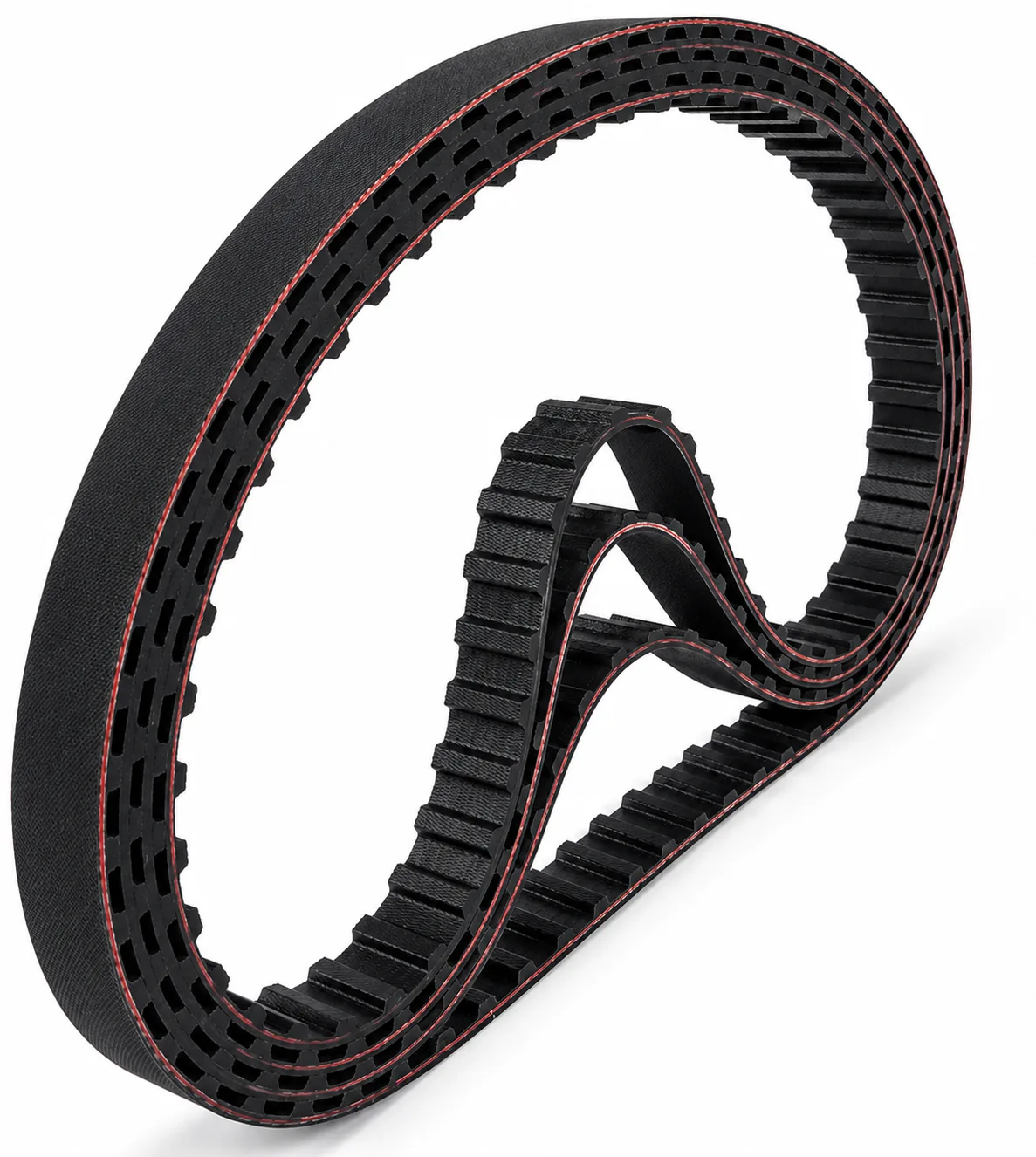
Rubber timing belt
Precise, Synchronous & Reliable Power Transmission
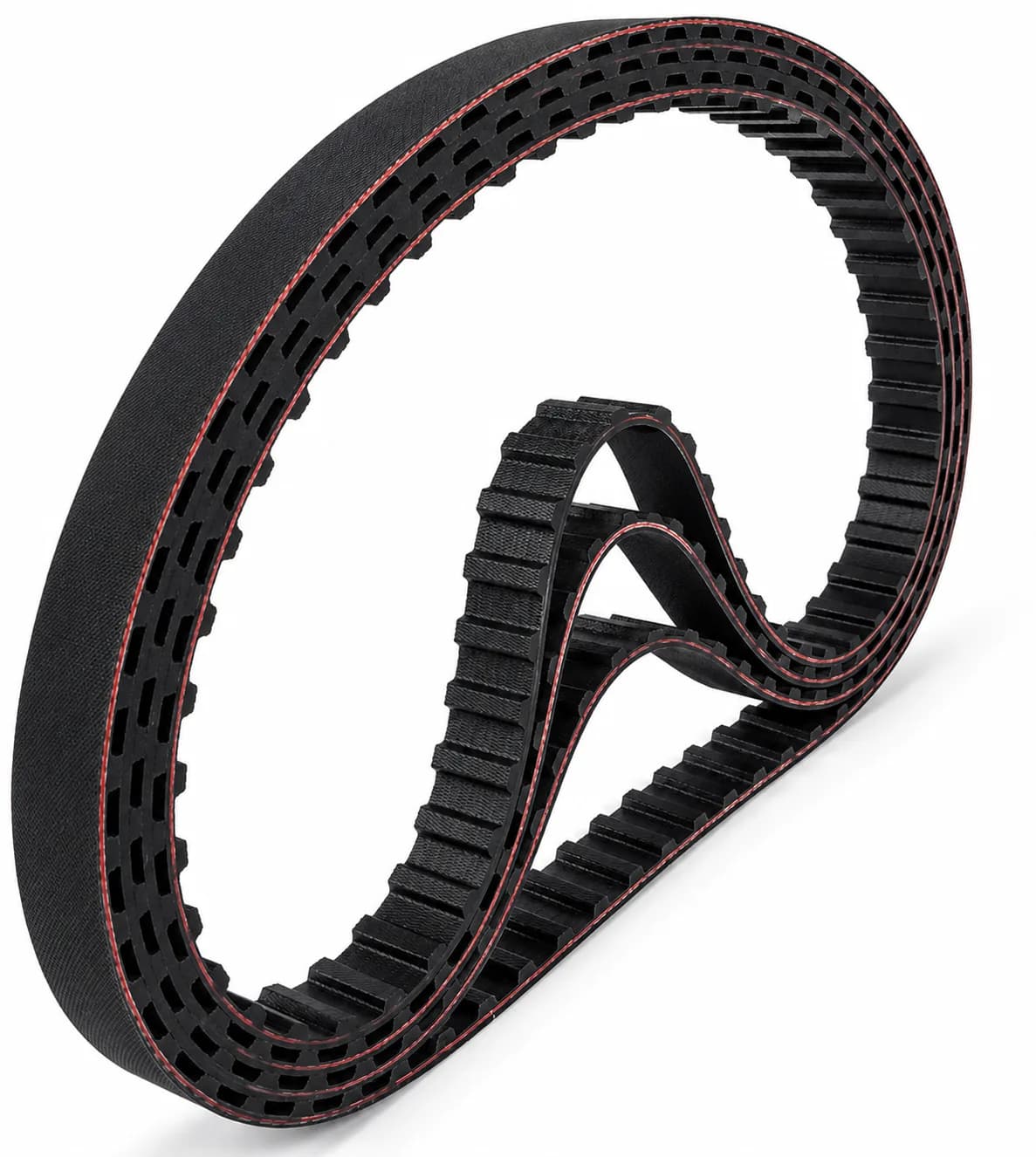
Rubber timing belt
The Earth India Company offers Rubber Timing Belts engineered for accurate and efficient synchronous power transmission. The positive engagement between the belt teeth and pulley grooves enables power to be transmitted without the slip associated with frictiondriven belt systems, helping maintain a consistent speed relationship between the driving and driven components. Combining high-strength tensile cords, engineered rubber compounds and precisely formed tooth profiles, rubber timing belts provide dependable performance for machinery requiring accurate motion, compact transmission and reliable operation.
CORE COMPOUNDING
Engineered Rubber Compound + High-Strength Tensile Cords + Wear-Resistant Fabric
Overview & Engineering Design
Designed for Synchronous Power Transmission Unlike conventional friction-based belts, timing belts use toothed engagement with matching timing pulleys. This positive-drive mechanism helps maintain synchronization between shafts and makes timing belts suitable for applications requiring controlled speed and accurate transmission.
Core Product Features
Synchronous Operation
Positive tooth engagement helps maintain an accurate speed ratio between shafts.
No Lubrication Required
Provides clean and comparatively low-maintenance power transmission.
High Power Transmission Capability
Designed to efficiently transmit power in compact drive arrangements.
Low Slip
Tooth-to-pulley engagement prevents normal operational slip when the drive is correctly designed and tensioned.
Good Dimensional Stability
High-strength tensile members help maintain belt length and operating accuracy.
Efficient Performance
Suitable for applications requiring consistent and dependable power transmission.
Wide Range of Profiles & Sizes
Available in multiple pitch and tooth-profile configurations to suit different drive requirements.
Smooth Operation
Correct belt and pulley selection supports stable operation at a wide range of speeds.
Timing Belt Construction
A rubber timing belt consists of multiple engineered components, each serving a specific purpose.
Rubber Backing
The outer rubber layer protects the internal tensile members and provides flexibility and resistance against operating stresses.
High-Strength Tensile Cords
Tensile members positioned along the belt's length provide strength and dimensional stability while helping minimize elongation under working loads.
Precision-Moulded Teeth
The teeth are designed to engage accurately with matching pulley grooves, enabling synchronous power transmission.
Tooth-Facing Fabric
Depending on belt construction, a wear-resistant fabric layer may cover the tooth surface to reduce friction and improve durability during engagement with the pulley.
Belt & Pulley Compatibility
A timing belt must operate with a pulley designed for the corresponding tooth profile and pitch.
Profile Matching
An 8M belt cannot simply be replaced by an S8M belt solely because both have an 8 mm pitch. Tooth geometry and pulley compatibility must also be considered.
Drive Alignment
Correct belt-to-pulley matching is essential for proper tooth engagement, load distribution and reliable drive performance.
Correct belt-to-pulley matching is essential for proper tooth engagement, load distribution and reliable drive performance.
Cogged / Raw-Edge V-Belts
Depending on the application, V-belts may also be available with a raw-edge cogged construction. The molded cogs on the inner side of the belt can improve flexibility and help the belt operate effectively around smaller pulley diameters, depending on the belt section and drive design.
Availability should be confirmed according to the required belt size and construction.
Timing Belt Profiles
Rubber timing belts are available in different tooth profiles and pitches depending on the required torque, speed, pulley dimensions and application. Common profiles include:
Availability of a particular profile, construction or size should be confirmed according to the application requirement.
Typical Applications
Rubber timing belts are commonly used in:
The final belt selection depends on the power, speed, pulley configuration and operating environment of the application.
Understanding a Timing Belt Specification
A timing belt is generally identified using parameters such as:
For example, a specification such as S8M 1224 – 30 mm indicates an S8M tooth profile with an 8 mm pitch, a nominal pitch length of 1224 mm, and a 30 mm belt width. Providing the complete belt marking is one of the easiest ways to identify a replacement timing belt.
Complete Belting Solutions from The Earth India Company
With years of industry experience, The Earth India Company provides application-focused power transmission and belting solutions for industrial requirements. Whether you need a replacement belt or are selecting a belt for a new drive, our team can assist based on the belt profile, dimensions, drive parameters and application requirements.
Selecting the Right Rubber Timing Belt
Correct belt selection is important for reliable operation and service life. Important parameters include:
For replacement requirements, customers can also share the existing belt marking, belt photograph and dimensions to assist with identification.
Need a Rubber Timing Belt?
Share the belt marking, tooth profile, pitch, pitch length/number of teeth, width, quantity and application details with our team to help us identify the appropriate belt.
Industries & Applications
Industrial Machinery
Proven Application Sector
Packaging Equipment
Proven Application Sector
Printing Machinery
Proven Application Sector
Textile Machinery
Proven Application Sector
Machine Tools
Proven Application Sector
Pumps
Proven Application Sector
Compressors
Proven Application Sector
Automation Equipment
Proven Application Sector
Processing Machinery
Proven Application Sector
General Synchronous Drive Systems
Proven Application Sector
Certifications & Compliance
Our manufacturing processes adhere to internationally recognized industrial product certificates.
ISO 9001:2015
Certified Quality Management System
DIN 22102
German Standard for Textile Conveyor Belts
REACH & RoHS
Hazardous Substance & Chemical Safety
BIS / IS 1891
Bureau of Indian Standards Industrial Specification
CE Certified
European Health & Environmental Safety Directive
Related Products
Complementary conveyor system designs and high-resistance belting accessories.
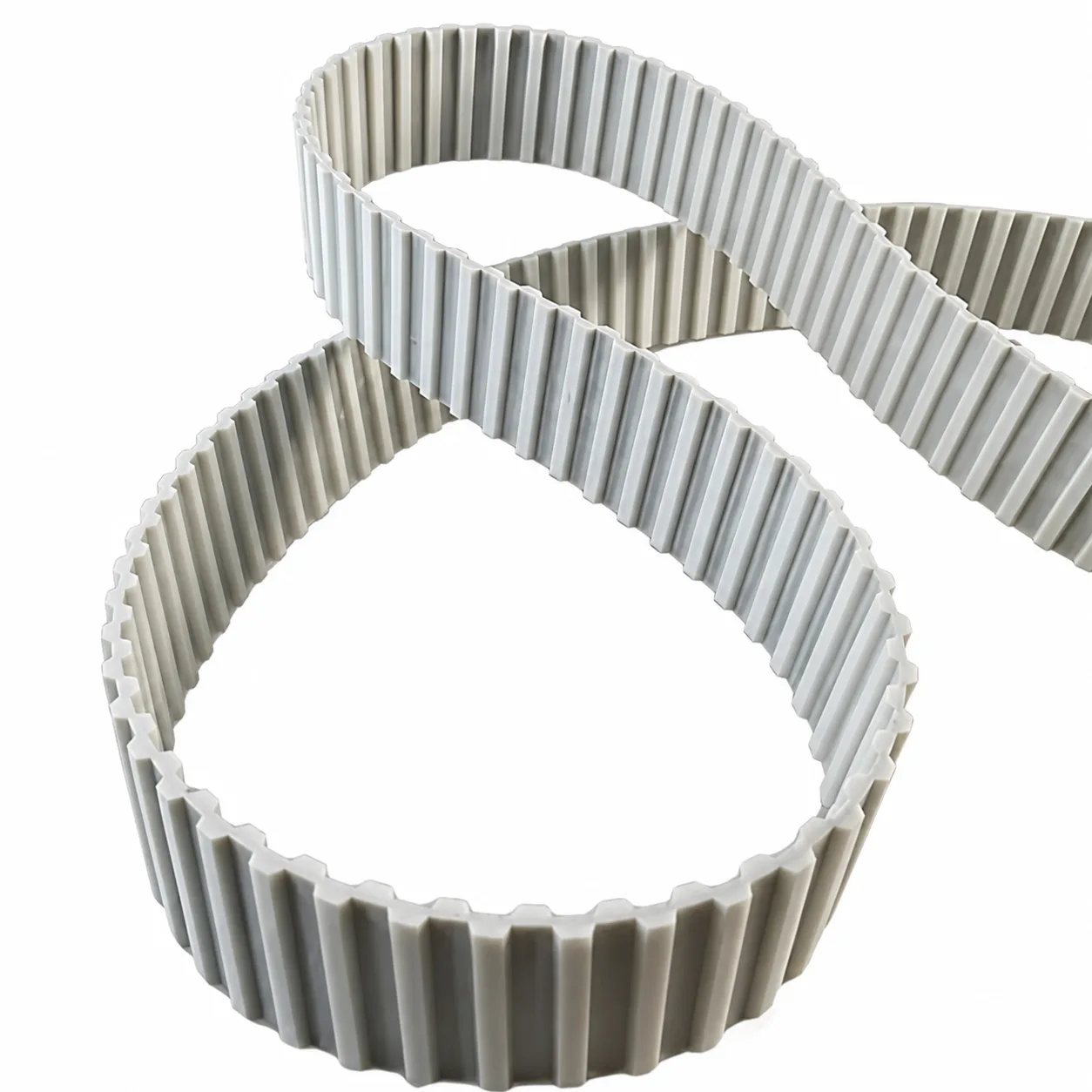
PU timing belt
High-Precision Timing Belts for Synchronous Power Transmission & Motion Control
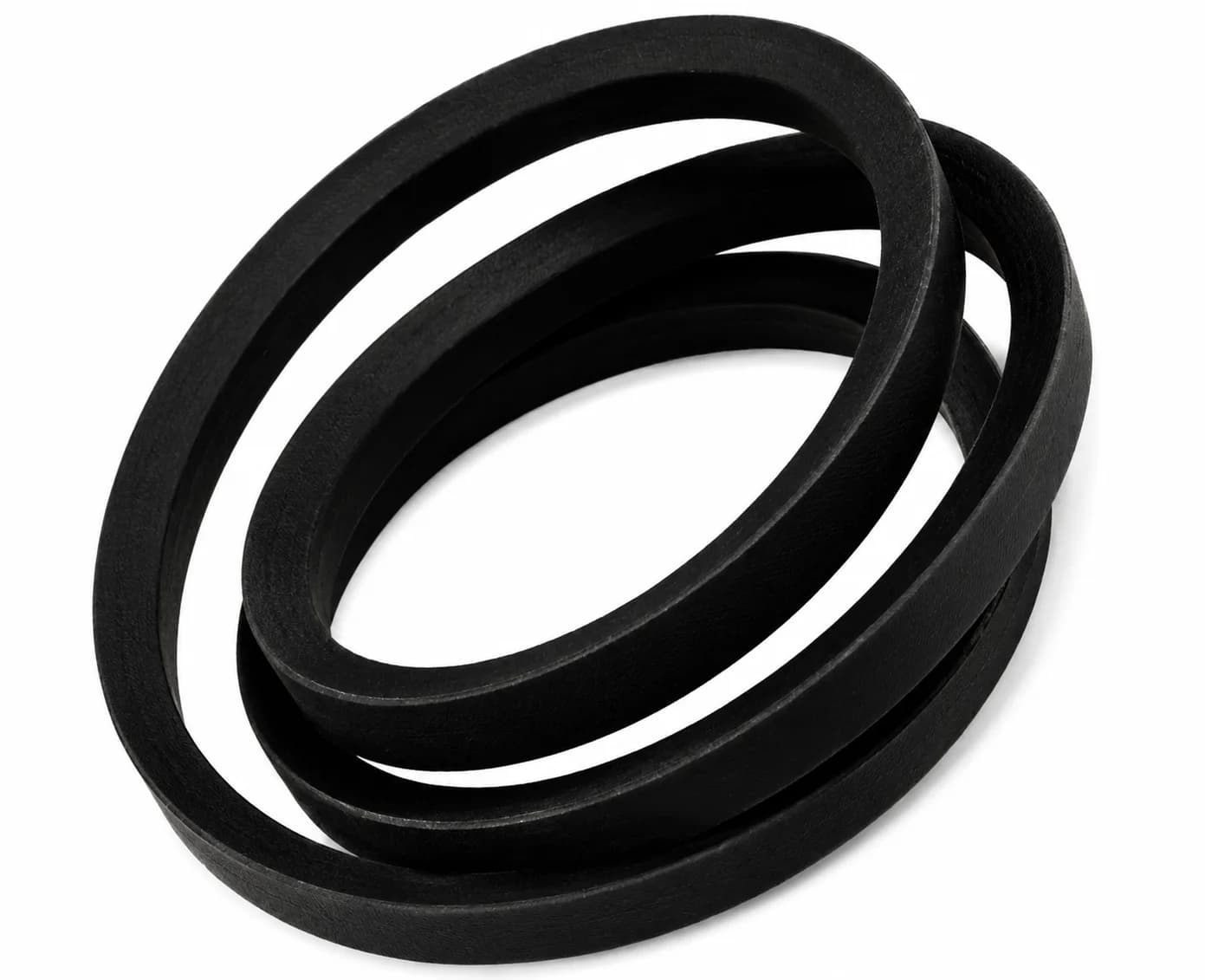
V-Belt
Reliable & Efficient Power Transmission for Industrial Machinery
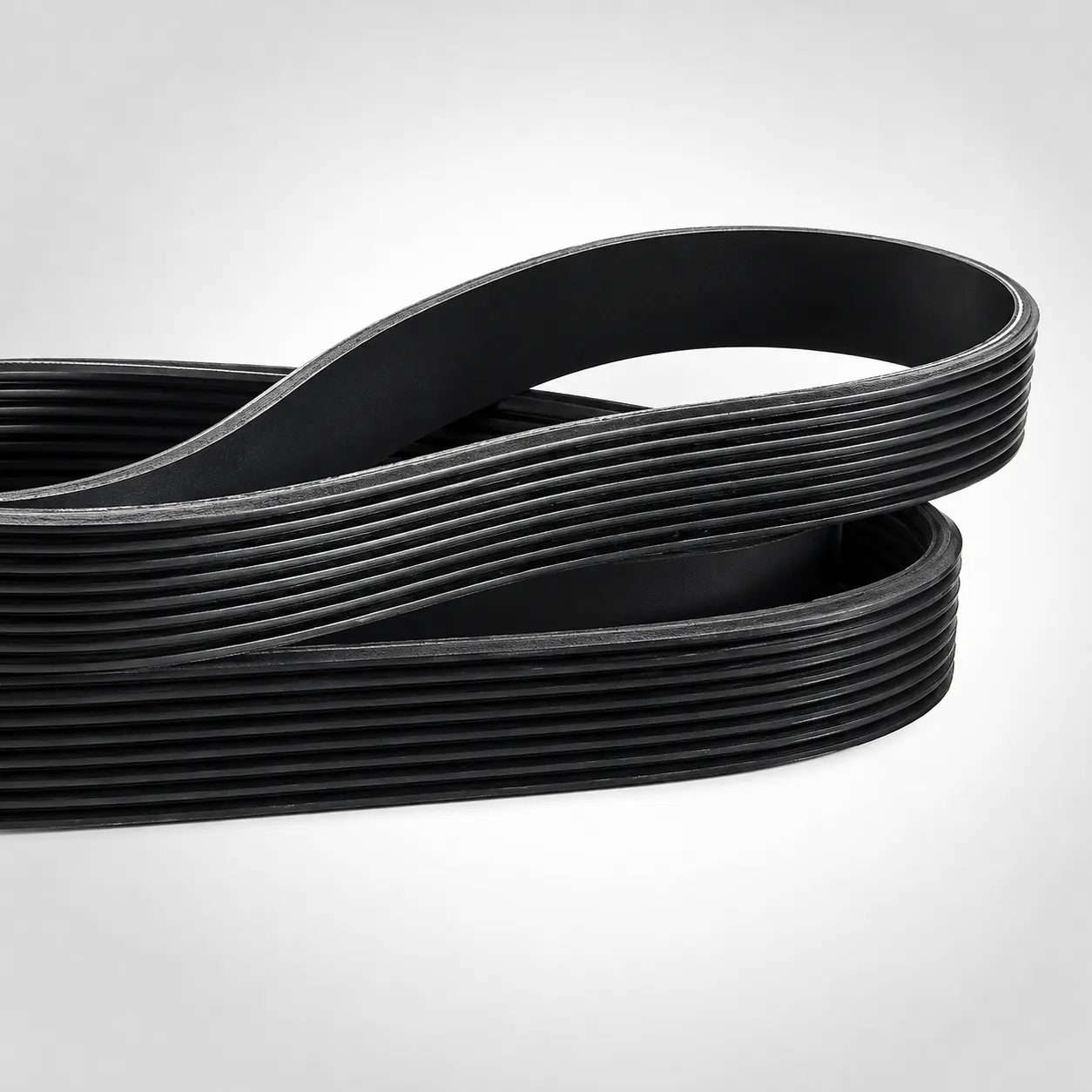
Poly V-Belt
Compact, Flexible & High-Performance Power Transmission
Frequently Asked Questions
Technical answers regarding our rubber timing belt configurations.
For standard specifications of our rubber timing belt, typical production lead time is 7 to 10 working days. Custom configurations requiring specific fabrications or compound formulations may take 2 to 3 weeks.
Yes, all our products are manufactured conforming to major international standards, including ISO 9001:2015 for quality management systems, DIN 22102 for textile conveyor belts, and FDA 21 CFR 177.2600 for food-grade compounds.
Yes, our engineering team provides end-to-end onsite erection, hot/cold vulcanizing splicing, modular installation, and system commissioning services globally.
We can manufacture belts in widths ranging from 100mm up to 2400mm, with cover profiles, cleat setups, tracking guides, and carcass specifications designed to meet your project parameters.
You can send us your load metrics, drop heights, material density, and angle of inclination. Our application engineers use specialized calculation tools to calculate required motor kilowatts, belt rating, and guide pulley sizes before giving you a quote.
Looking for the Right Industrial Solution?
Partner with The Earth India Company for durable, custom Conveyor Belts, Power Transmission Belts, and Conveyor Systems. Share your requirements, and we'll provide the best quotation.