
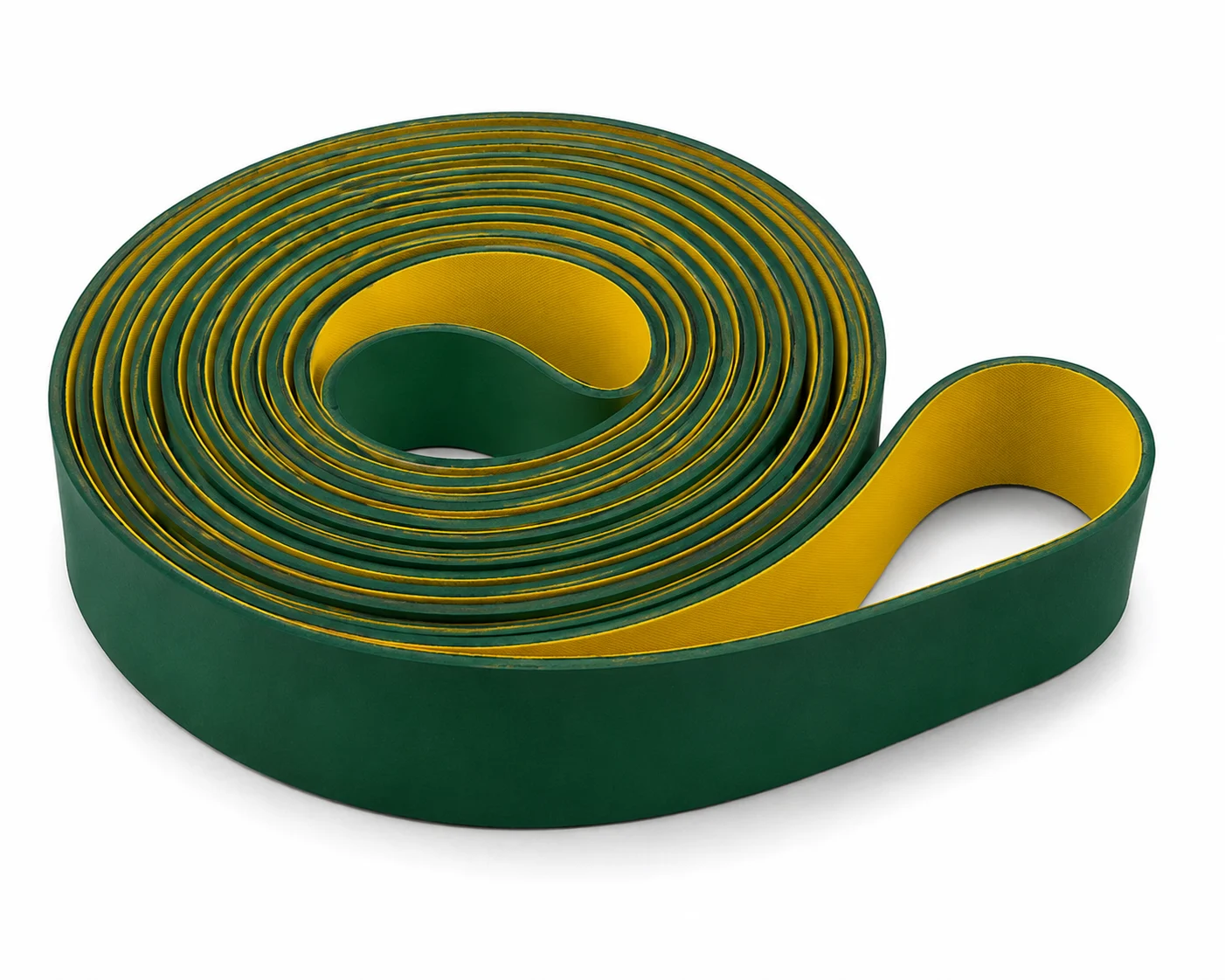
Flat Belt
Flexible & Efficient Power Transmission for High-Speed Industrial Drives
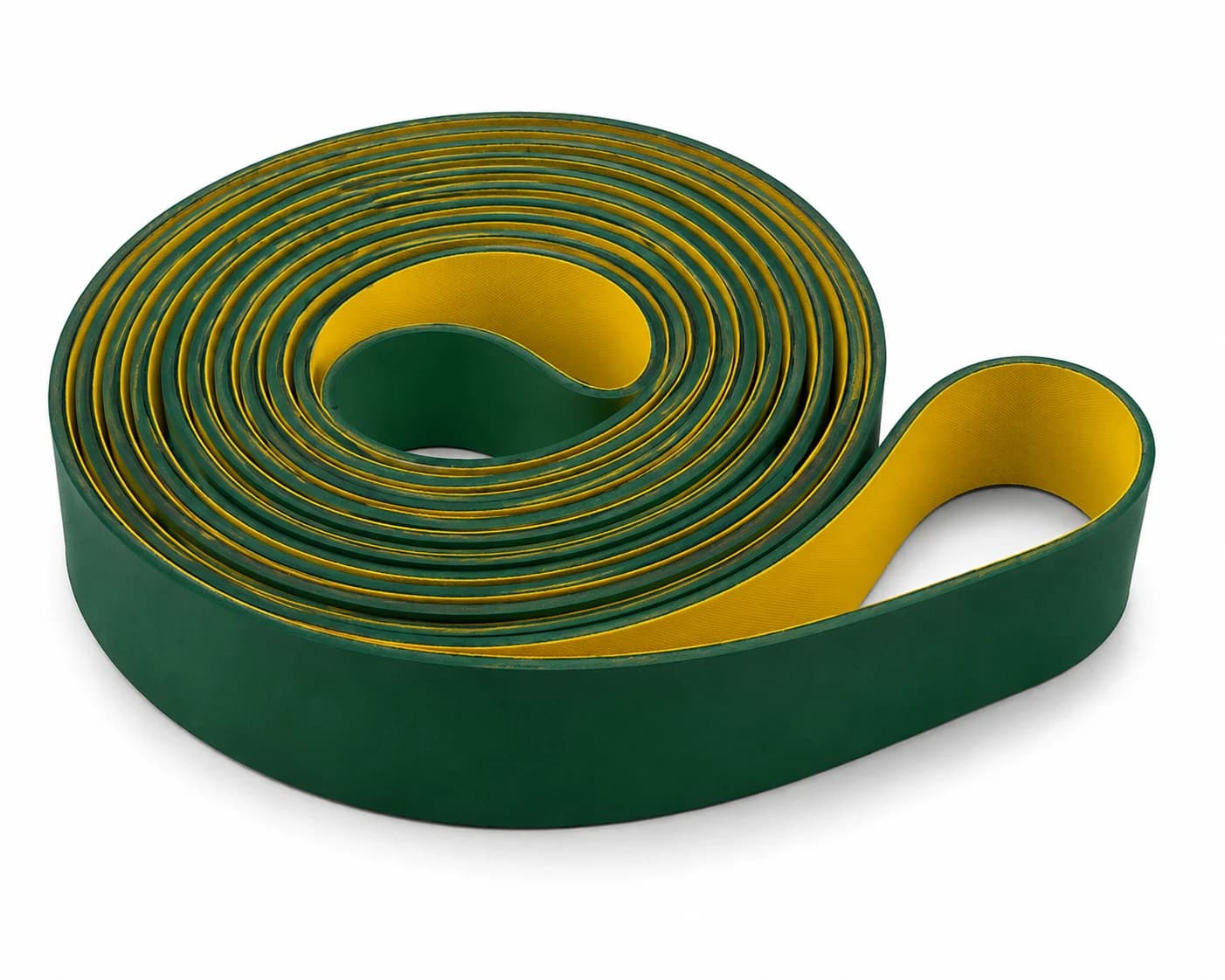
Flat Belt
The Earth India Company offers Flat Belts designed for efficient, smooth and reliable power transmission across a variety of industrial machinery and equipment. Flat belts use a broad, flat friction surface to transmit power between pulleys. Their thin and flexible construction makes them particularly suitable for applications involving high operating speeds, smaller pulley diameters and smooth transmission. Available in different constructions, thicknesses and surface materials, flat belts can be selected according to the required power, speed, pulley arrangement and operating conditions.
CORE COMPOUNDING
Polyamide / Polyester Core + Friction Running Surface
Overview & Engineering Design
Designed for Smooth & Efficient Transmission The low-profile construction of a flat belt allows it to run smoothly around pulleys while maintaining effective surface contact.
Core Product Features
High-Speed Capability
Suitable for machinery operating at relatively high belt speeds.
Excellent Flexibility
Thin construction allows effective bending around smaller pulley diameters, subject to belt specification.
Smooth & Quiet Operation
Helps minimize vibration and provides consistent power transmission.
Efficient Power Transmission
Broad contact between the belt and pulley provides effective frictional transmission.
Low Belt Mass
Lightweight construction is beneficial for high-speed drive applications.
Good Dimensional Stability
Reinforced constructions help control elongation during operation.
No Lubrication Required
Provides clean and relatively low-maintenance operation.
Application-Specific Surfaces
Different friction and surface characteristics can be selected according to drive requirements.
Flat Belt Construction
Industrial flat belts can consist of multiple engineered layers, with the exact construction depending on the application.
Friction / Running Surface
The pulley-contact surface provides the required coefficient of friction and grip for effective power transmission.
Tensile Layer
The internal reinforcement provides tensile strength and dimensional stability, helping the belt maintain its operating characteristics under tension.
Belt Body
The belt body provides flexibility and supports the internal construction during repeated bending around pulleys.
Outer Surface
Depending on the belt design, the opposite surface may provide additional protection or specific friction characteristics required by the application.
Flat Belts vs V-Belts
Both are friction-driven power transmission belts, but their operating characteristics differ.
Flat Belts
Flat Belts provide a broad contact surface, high flexibility and are particularly suitable for smooth and high-speed transmission.
V-Belts
V-Belts operate through wedging action inside a V-shaped pulley groove and are widely used for general industrial power transmission.
Selection should therefore be based on the drive configuration, power requirement, operating speed, pulley dimensions and application.
How Flat Belts Transmit Power
Flat belts operate through friction between the belt surface and the pulley. When the drive pulley rotates, frictional contact causes the belt to move and transfer rotational power to the driven pulley.
Unlike timing belts, flat belts do not use teeth for positive engagement. Correct belt tension, pulley alignment and surface contact are therefore important for reliable power transmission.
Flat Belt Configurations
Depending on the drive arrangement and application, flat belts can be used in several configurations. Common setups include:
Availability and usage depend on the specific belt design and machine arrangement.
Typical Applications
Flat belts can be used in:
The correct belt construction should be selected according to the specific drive requirements.
Endless & Joined Flat Belts
Depending on belt construction and application requirements, flat belts can be supplied in different endless configurations:
The suitable joining method depends on the belt material, construction, operating speed and load.
Complete Belting Solutions from The Earth India Company
With years of industry experience, The Earth India Company provides application-focused flat belt and power transmission solutions for industrial machinery and equipment. Our team works to understand the drive configuration, belt dimensions, pulley arrangement and operating requirements to help identify a suitable flat belt solution.
Selecting the Right Flat Belt
Important parameters include:
For replacement requirements, customers can share the existing belt dimensions, belt marking (if available), photographs and machine/application details.
Need a Flat Belt?
Share your belt length, width, thickness, existing belt details, quantity and application requirements, and our team will assist you in identifying the appropriate solution.
Industries & Applications
Textile Machinery
Proven Application Sector
Printing Machinery
Proven Application Sector
Paper Processing Equipment
Proven Application Sector
Packaging Machinery
Proven Application Sector
Machine Tools
Proven Application Sector
Spindles
Proven Application Sector
Roller Drives
Proven Application Sector
Processing Equipment
Proven Application Sector
General Industrial Machinery
Proven Application Sector
High-Speed Power Transmission Systems
Proven Application Sector
Certifications & Compliance
Our manufacturing processes adhere to internationally recognized industrial product certificates.
ISO 9001:2015
Certified Quality Management System
DIN 22102
German Standard for Textile Conveyor Belts
REACH & RoHS
Hazardous Substance & Chemical Safety
BIS / IS 1891
Bureau of Indian Standards Industrial Specification
CE Certified
European Health & Environmental Safety Directive
Related Products
Complementary conveyor system designs and high-resistance belting accessories.
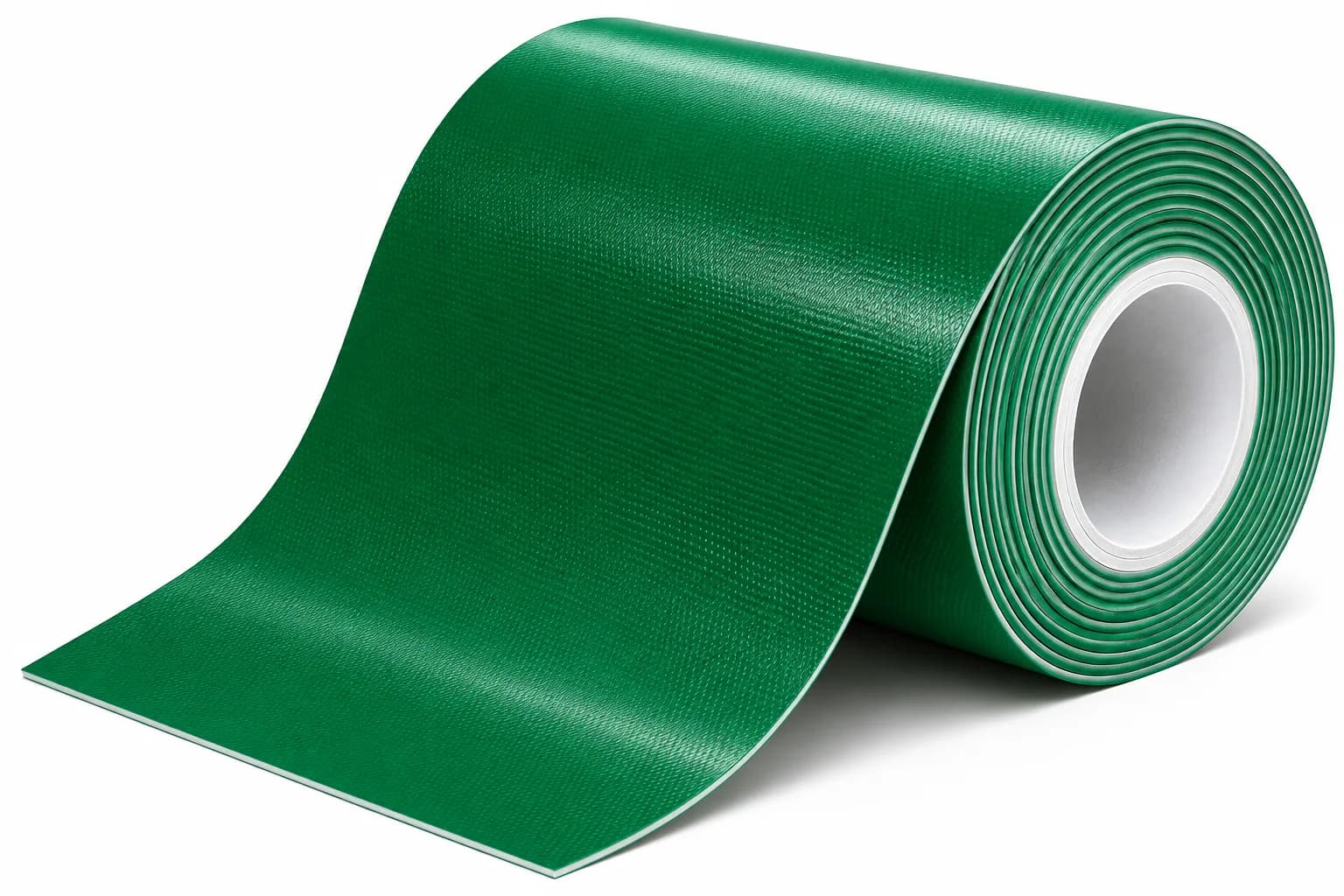
PVC Conveyor Belts
Versatile Conveying Solutions for Efficient Material Handling
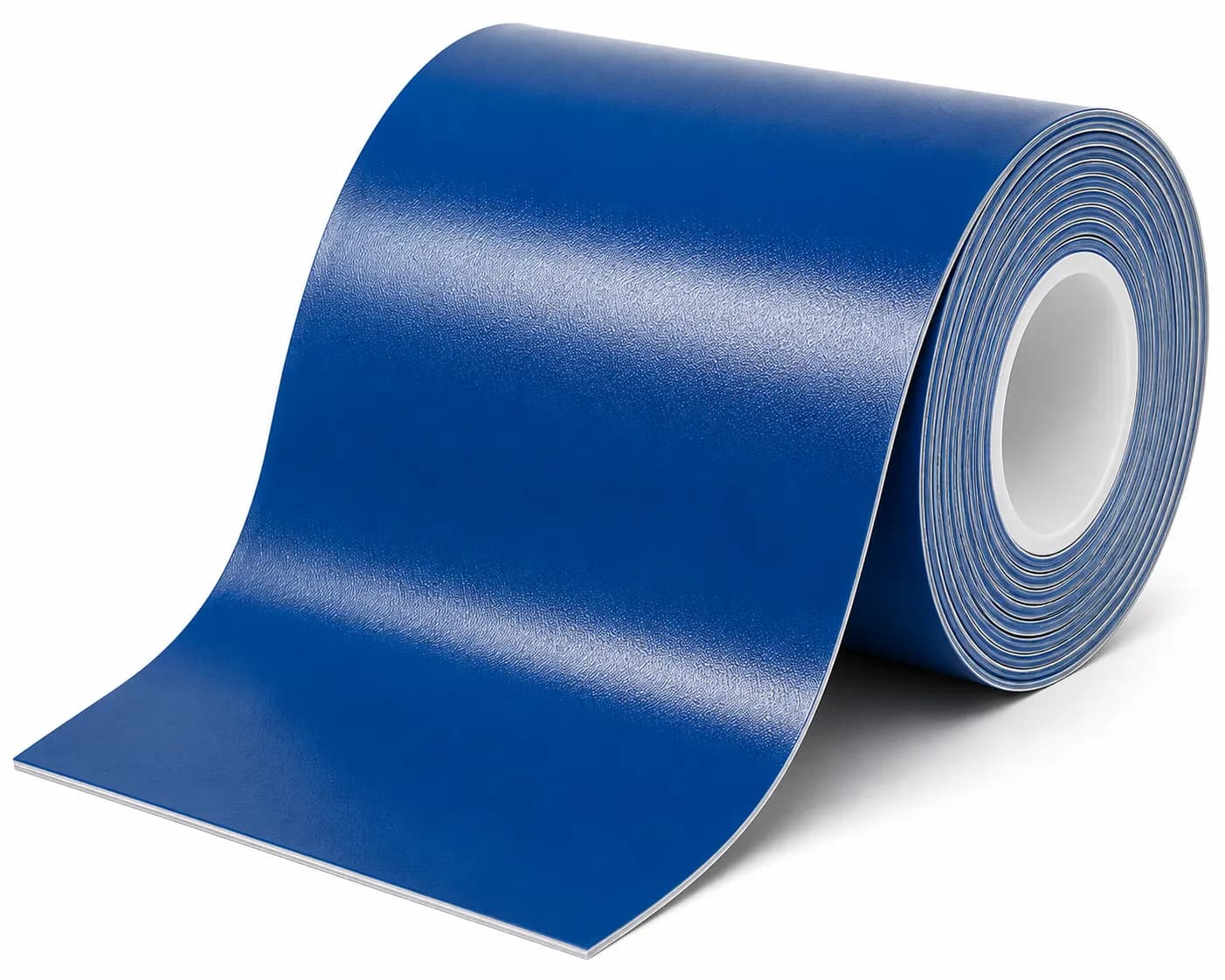
PU conveyor belt
Hygienic, Durable & High-Performance Conveying Solutions
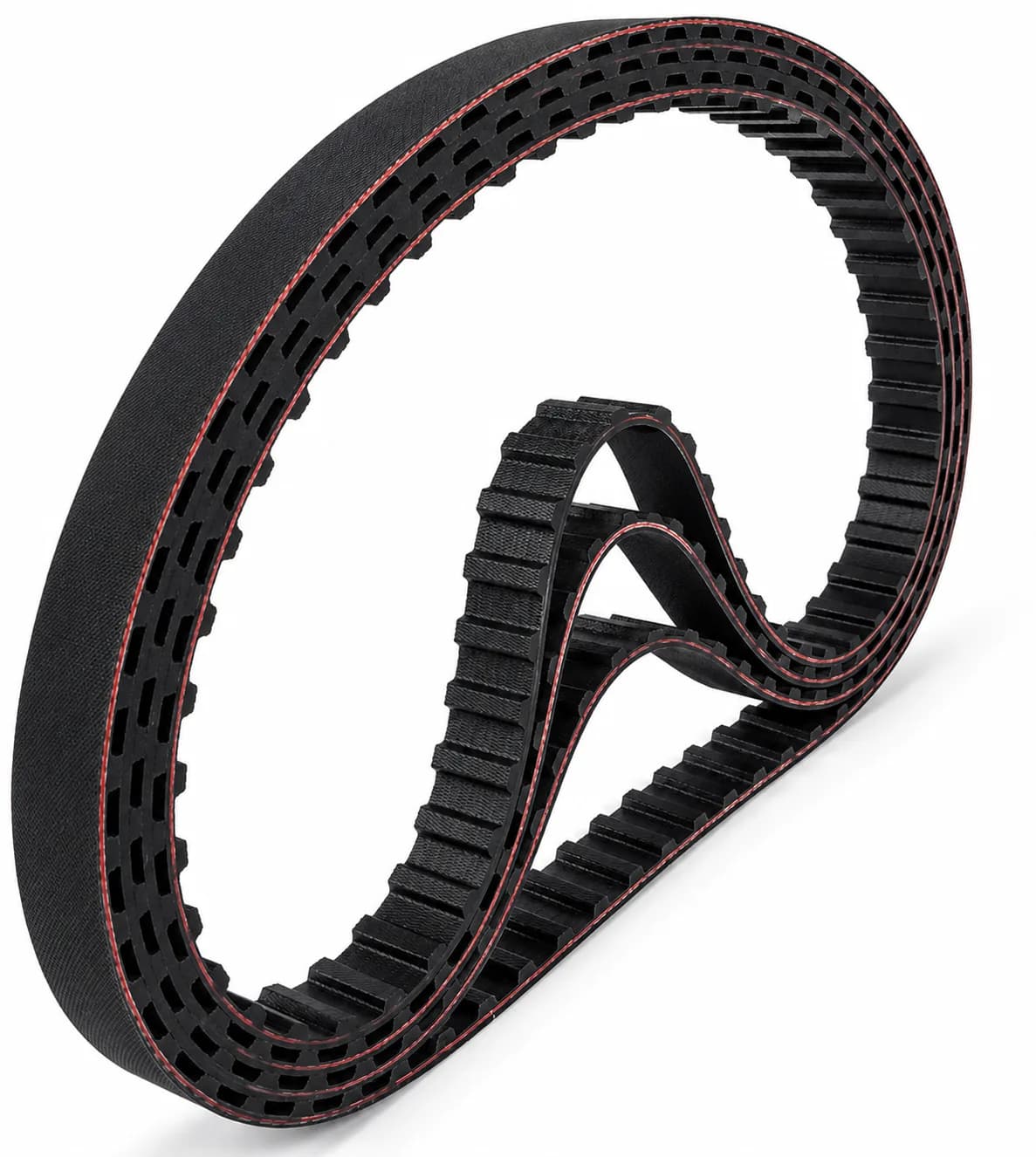
Rubber timing belt
Precise, Synchronous & Reliable Power Transmission
Frequently Asked Questions
Technical answers regarding our flat belt configurations.
For standard specifications of our flat belt, typical production lead time is 7 to 10 working days. Custom configurations requiring specific fabrications or compound formulations may take 2 to 3 weeks.
Yes, all our products are manufactured conforming to major international standards, including ISO 9001:2015 for quality management systems, DIN 22102 for textile conveyor belts, and FDA 21 CFR 177.2600 for food-grade compounds.
Yes, our engineering team provides end-to-end onsite erection, hot/cold vulcanizing splicing, modular installation, and system commissioning services globally.
We can manufacture belts in widths ranging from 100mm up to 2400mm, with cover profiles, cleat setups, tracking guides, and carcass specifications designed to meet your project parameters.
You can send us your load metrics, drop heights, material density, and angle of inclination. Our application engineers use specialized calculation tools to calculate required motor kilowatts, belt rating, and guide pulley sizes before giving you a quote.
Looking for the Right Industrial Solution?
Partner with The Earth India Company for durable, custom Conveyor Belts, Power Transmission Belts, and Conveyor Systems. Share your requirements, and we'll provide the best quotation.